Getting Pleasantly Lost in a Soi in Chiang Mai
Getting lost in Chiang Mai's old city sois is not a mistake. It is the moment the real trip begins, with the moat always there to guide you back.


Getting Pleasantly Lost in a Soi in Chiang Mai
The old city of Chiang Mai is a square. A moat surrounds it. Inside that moat, every street bends, dead ends, and changes name without warning. You cannot stay lost for more than fifteen minutes. Every road eventually hits the moat, and the moat leads to Tha Phae Gate. That single fact is the safety net that makes surrendering to the city possible. You are never truly lost here. You are just between discoveries.
Two weeks into a trip that was supposed to deliver clarity, you sit in a rented room with a gecko that shouts from the ceiling and a fan that clicks on speed two. The pressure you brought with you is still there: the belief that a career break must be justified with a tangible result, that uncertainty at 26 is a problem requiring an immediate solution. You booked the three-day silent meditation retreat because you thought it would force an epiphany. You read career advice newsletters in a hostel courtyard as if the right article could deliver the answer. None of it worked.
The Soi as a Small Bet
Shrink your planning horizon to the next meal or the next morning. That is the only change that helps. Instead of asking what you should do with your life, ask which soi you will walk down after breakfast. Pick one that branches off Ratchadamnoen Road near Wat Phra Singh. The wats act as landmarks, but the sois between them are where the city reveals itself. A seamstress working on a machine by her front door. A house turned into a gallery showing work by local painters. A family grating coconut on a stone stoop. None of these are destinations. They are what happens when you stop needing every hour to advance your life narrative.
Structured itineraries kill the serendipity that makes Chiang Mai special. The best meal you will have is not the one you researched. It is the khao soi stall in Santitham, across the moat, where the family running it does not speak English and you point at what the person ahead of you ordered. It is the fourth night in a row you eat the same soup at the night market, not because it is famous, but because you trust it.
The Company That Helped
Accept a Tuesday night dinner invitation from a local family. No agenda. They will not ask what you are doing in Thailand or how long you are staying. They serve food and let you sit on the floor. That dinner matters more than any temple. When a fellow traveler admits she also has no plan and says the words out loud, it feels like relief, not failure. Homesickness and wanting to stay can coexist. You do not have to choose.
Stop apologizing when someone asks what you are doing here and you have no answer. The answer is that you are here, and that is enough. The trip does not need to produce a story, a breakthrough, or a new career. It needs to produce nothing. The pressure to optimize a trip was the very thing you needed a break from. Being lost in a place is not the same as being lost in life.
| Feature | What It Does | How To Use It |
|---|---|---|
| The Moat | Forms a continuous 6.5 km square. Every street that hits it becomes a reference point. | Walk any direction until you reach water, then follow it to a named gate. |
| Tha Phae Gate | The eastern gate. The main exit to the river and the most recognised landmark in the old city. | Use it as your default meet point. If you need to reset, aim for the gate. |
| Wat Phra Singh | The largest temple in the old city. Its compound covers several sois and is visible from a block away. | Keep the temple spires in sight as a wayfinding anchor while you wander the surrounding lanes. |
| Numbered Sois | Soi 1 through Soi 9 off Ratchadamnoen. Each is short and leads to another soi or a main street. | Pick a number you have not walked. The worst case is a five minute detour back to the main road. |
What You Stop Doing When You Stop Planning
You stop measuring each day by whether it advanced your life narrative. You stop checking your phone for emails from your old job. You stop scanning maps for the most efficient route between two points. The city slows down to match your pace.
Nimmanhaemin and Santitham
Nimmanhaemin, the neighbourhood west of the moat, is where you find the hidden galleries and designer boutiques. Spend an hour watching a barista pour latte art and call that your morning. Santitham, north of the moat, is where the khao soi stall has no sign and the cook laughs when you burn your tongue. Both are valid. Neither requires a reason.
The received wisdom that solo travel always reveals your life purpose is wrong. The received wisdom that you must have a clear reason for every destination is also wrong. The only permission you need is the one you give yourself: it is acceptable to be directionless in a place you traveled to find direction.
The Dinner That Changed Nothing and Everything
Say yes when a woman selling fruit near the Chang Phuak Gate gestures an invitation. Three hours later you sit with her family on a concrete floor eating nam prik ong and listening to a language you do not understand. Nothing is resolved. No life purpose is revealed. But the feeling of being welcome without having to perform your story is the first peace you have felt in weeks.
That is what Chiang Mai offers when you stop trying to extract value from it. It is a place where a stranger can feed you and never ask why you came. It is a place where you can be lost in the sois around Wat Phra Singh, find the moat, and start over. The only failure is refusing to wander.


Worth it if
- You stop performing your trip for an imagined audience and start experiencing it.
- Surrendering to a soi leads to encounters a schedule never could.
- The moat safety net removes the real risk of being lost.
- Saying yes to dull invitations builds the relationships that make travel meaningful.
Skip it if
- Arriving without a plan can feel like a failure if you do not accept that premise.
- If you genuinely dislike uncertainty, the first few days will be uncomfortable.
- This approach works best when you have at least a week; a 48 hour stopover may need more structure.
Read next
-

 When to Visit Thailand and When to Stay Far Away
When to go to Thailand depends on two monsoons and the Chiang Mai burning season. Here is how the regional weather windows actually work.
When to Visit Thailand and When to Stay Far Away
When to go to Thailand depends on two monsoons and the Chiang Mai burning season. Here is how the regional weather windows actually work.
-
 How to Get Around Thailand Without Losing Your Mind or Your Wallet
A practical guide to Thailand's transport network covering overnight trains from Krung Thep Aphiwat, budget flights from Don Mueang, and VIP buses to Chiang Mai.
How to Get Around Thailand Without Losing Your Mind or Your Wallet
A practical guide to Thailand's transport network covering overnight trains from Krung Thep Aphiwat, budget flights from Don Mueang, and VIP buses to Chiang Mai.
-
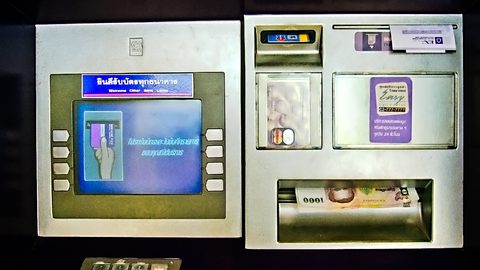 What Thailand Costs When You Are Not on Holiday
Thailand looks cheap on holiday. Living here is different. Here is a real monthly breakdown of rent, food, visas, and the things that quietly add up.
What Thailand Costs When You Are Not on Holiday
Thailand looks cheap on holiday. Living here is different. Here is a real monthly breakdown of rent, food, visas, and the things that quietly add up.
-
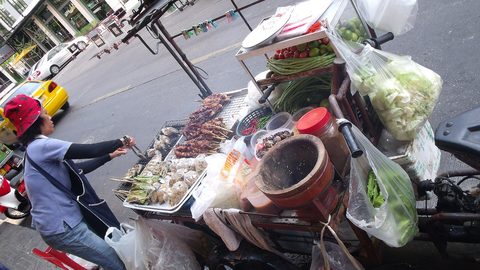 Bangkok
Everyone says to leave Bangkok fast. But the city shifts when you take the canal boats, walk the sois at dawn, and stop treating it like a layover.
Bangkok
Everyone says to leave Bangkok fast. But the city shifts when you take the canal boats, walk the sois at dawn, and stop treating it like a layover.
-
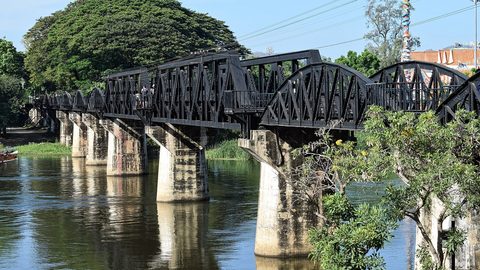 Kanchanaburi
A guide to visiting Kanchanaburi's Death Railway, bridge, and war museums with the historical weight and respect these sites demand.
Kanchanaburi
A guide to visiting Kanchanaburi's Death Railway, bridge, and war museums with the historical weight and respect these sites demand.
-
 Krabi
Railay is where everyone starts in Krabi. But the province opens up when you head inland to the mangroves, the markets, and the limestone caves the boats skip.
Krabi
Railay is where everyone starts in Krabi. But the province opens up when you head inland to the mangroves, the markets, and the limestone caves the boats skip.
-
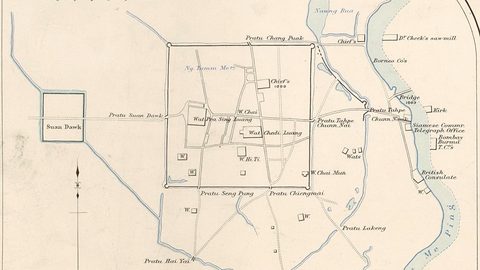 Chiang Mai
 was meant to be a stopover. It became the place I measured other places against. Here is what that slow attachment feels like, smoke season included.
Chiang Mai
Chiang Mai was meant to be a stopover. It became the place I measured other places against. Here is what that slow attachment feels like, smoke season included.
-
 Phuket
Samet Nangshe asks for a 4am alarm and a dark drive through Phang Nga. Here is what that morning actually feels like and whether the view delivers.
Phuket
Samet Nangshe asks for a 4am alarm and a dark drive through Phang Nga. Here is what that morning actually feels like and whether the view delivers.
-
 Mae Hong Son
Everyone has an opinion on Pai. After the 762 curves and another stay, here is what still feels real and what feels like a backpacker theme park.
Mae Hong Son
Everyone has an opinion on Pai. After the 762 curves and another stay, here is what still feels real and what feels like a backpacker theme park.