Koh Lanta or Koh Samui for a Quiet First Island Stay
A practical guide to Koh Lanta or Koh Samui for a Quiet First Island Stay.
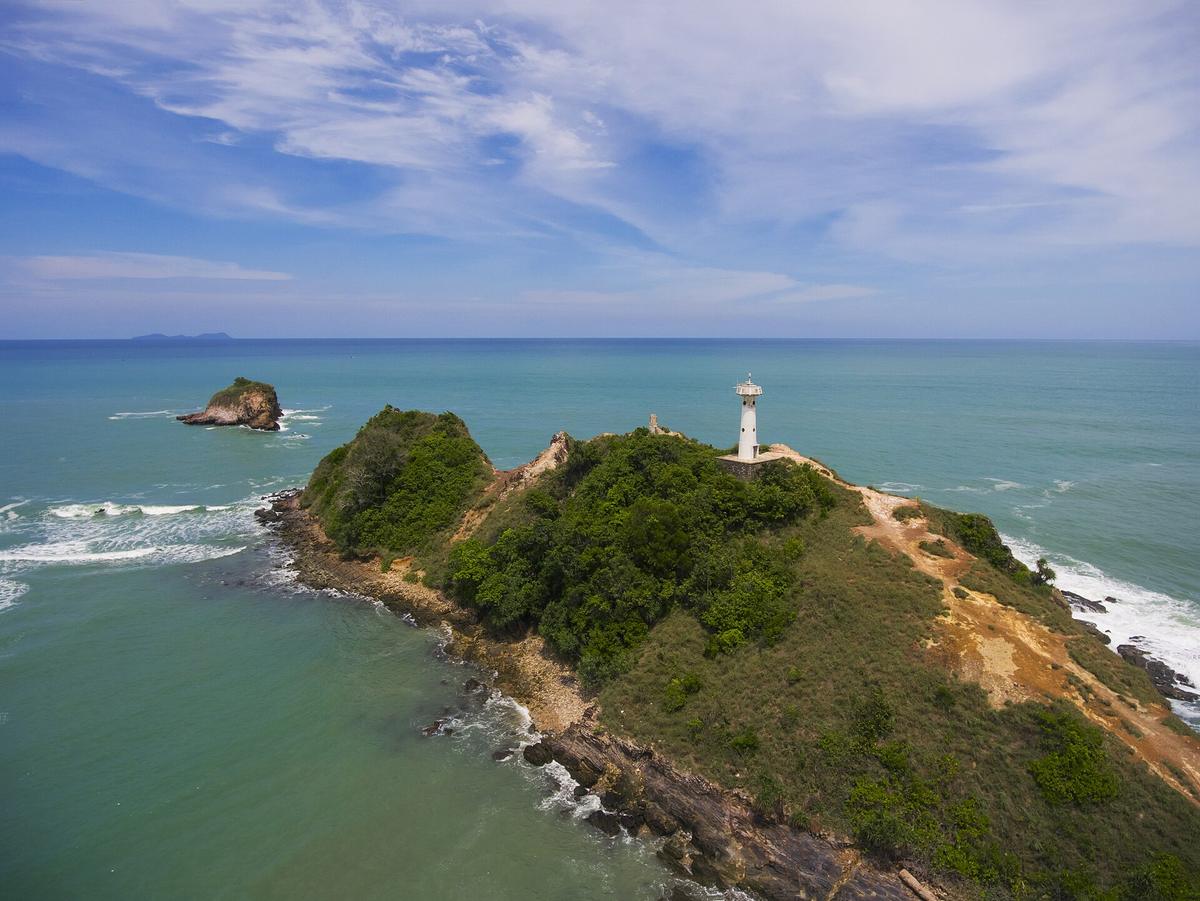

What Quiet Means on These Two Islands
Quiet is not a single volume setting. On one island it can mean a long beach with only a handful of other people and evenings spent listening to the waves. On another it can mean a private villa on a hillside, with the hum of a distant town just out of earshot. For a first visit to Thailand, choosing between Koh Lanta and Koh Samui is really a choice between two different kinds of quiet, each shaped by geography, access and the pace of development each island has chosen.
Koh Samui covers roughly 227 square kilometres, making it Thailand's third-largest island. Its registered population sits near 68,000, with a transient population roughly three times that number. The island has its own airport, with Bangkok Airways operating direct flights from Bangkok Suvarnabhumi that take just over an hour. That ease of arrival has shaped Samui into what the Tourism Authority of Thailand calls a "lively, exciting place" that offers "nearly every imaginable activity or service."
Koh Lanta Yai stretches over 30 kilometres long but only about six kilometres wide, with nine beaches strung along its west coast. There is no airport. Reaching it means flying into Krabi, then a road journey of roughly 64 kilometres to a car ferry, followed by a crossing to Koh Lanta Noi and a drive across the Siri Lanta bridge to Koh Lanta Yai. That bridge, opened in April 2016, removed one ferry from the journey, but the island still feels removed. The Tourism Authority of Thailand describes it as a place that has "maintained its laid-back atmosphere" and "has not succumbed to overdevelopment."
The Journey Shapes the Mood
How you reach an island sets expectations before you ever see the water. Koh Samui's airport makes arrival almost effortless. A direct flight from Bangkok touches down and within a short time you can be at your accommodation. That convenience is part of why the island has developed so fully. It also means you will share the island with more people, including those who decided on the trip only a few days earlier.
Koh Lanta asks for more commitment. The flight to Krabi is only the first step. From there you travel overland to the Ban Hua Hin car ferry, cross to Koh Lanta Noi, then continue by road across the bridge to Koh Lanta Yai. The ferry operates on a schedule set by the operator, and both hours and fares can change without notice. Before you travel, confirm the current operating times directly with the ferry operator. That extra planning filters the crowd. The people beside you on the beach are more likely to be travellers who deliberately chose somewhere harder to reach.
Beach Life and the Daily Rhythm
Koh Lanta's nine west-coast beaches each have their own character, but the common thread is space. The island's length spreads visitors out. You can find a stretch of sand where the only interruptions are the occasional longtail boat and the call of a vendor walking the tree line. The national park headquarters at Laem Tanod, at the southern tip, charges foreign adults 200 THB for entry and closes by late afternoon. It is a place for walking the cliff paths and looking out toward the smaller islands of the Mu Ko Lanta group, not for a party.
Koh Samui's beaches are more connected to the island's social life. Chaweng Beach, the longest and most beautiful on the island according to the Tourism Authority of Thailand, anchors a coastline with a "great social scene at night." Quiet here is a choice you make by where you stay. A resort at the quieter northern end of the island or a villa set back from the road can feel secluded, but step outside and the wider island is always there, offering restaurants, markets and nightlife.
When the Weather Decides for You
These two islands sit on opposite sides of the peninsula and their rainy seasons arrive at different times. Koh Lanta, on the Andaman side, gets the southwest monsoon from roughly May to October. September and October are the wettest months, with September averaging 319 millimetres of rain and October averaging 298 millimetres. During this period, the smaller islands within Mu Ko Lanta National Park, including Koh Rok, Koh Ha, Hin Daeng and Hin Muang, are officially closed to visitors from 16 May to 15 November each year. If your trip falls in those months, the day-trip options shrink considerably.
Koh Samui's wettest period comes later, from October to December, driven by the northeast monsoon. November averages roughly 445 millimetres of rain. The months from June to August are comparatively drier, which makes Samui a practical choice during the European summer when the Andaman coast is getting soaked. Ang Thong National Marine Park, the main day-trip destination from Samui, typically closes from 1 November to 15 December for ecological recovery. Those dates can shift depending on monsoon conditions, so confirm the current closure period with the Department of National Parks or your tour operator before booking.
Day Trips and Protected Places
Both islands give access to marine parks, but the experience differs. From Koh Lanta, the Mu Ko Lanta National Park islands are the draw. Koh Rok and Koh Ha are known for clear water and coral, but they are only reachable during the dry season. The park closure from mid-May to mid-November is strict. If you visit outside that window, the trips are available and the relative difficulty of reaching Lanta means fewer boats at the sites.
From Koh Samui, Ang Thong National Marine Park is the signature excursion, a cluster of limestone islands with lagoons and viewpoints. Foreign adults pay 300 THB to enter. The annual closure, typically early November to mid-December, is shorter than Lanta's monsoon shutdown, but it falls during Samui's wettest weeks. Outside that window, the trips run frequently. Samui's larger tourist infrastructure means more boats and more people, but also more choice in operators and boat types.
Choosing Your Kind of Quiet
If your idea of a quiet first island stay is defined by fewer people, a slower pace and the feeling of being somewhere that takes effort to reach, Koh Lanta fits the description more closely. The absence of an airport, the long road and ferry journey, and the island's own length all work together to keep the atmosphere low-key. You trade convenience for calm, and you accept that in the rainy months your day-trip options largely disappear.
If your version of quiet is more about personal space within a well-served destination, Koh Samui makes more sense. You can find a secluded place to sleep and still have restaurants, direct flights and reliable infrastructure close by. The island is livelier overall, but that liveliness is what supports the choice to step back from it when you want to. You also gain a weather pattern that works well when the Andaman coast is in its wettest phase.
The decision turns on two practical questions. First, look at your travel dates and check which island is in its drier, more open season. Second, decide whether you want the quiet that comes from isolation or the quiet that comes from choosing privacy inside a busy place. Both are real. They just feel different when you are there.
Sources and verification
- kohsamuicity.go.th — Research source checked for this guide
- tourismthailand.org — Research source checked for this guide
- info.flightmapper.net — Research source checked for this guide
- lantaadamtour.com — Research source checked for this guide
- amazinglanta.com — Research source checked for this guide
- thaipedia.asia — Research source checked for this guide
Read next
-

 When to Visit Thailand and When to Stay Far Away
When to go to Thailand depends on two monsoons and the Chiang Mai burning season. Here is how the regional weather windows actually work.
-
 How to Get Around Thailand Without Losing Your Mind or Your Wallet
A practical guide to Thailand's transport network covering overnight trains from Krung Thep Aphiwat, budget flights from Don Mueang, and VIP buses to Chiang Mai.
-
 What Thailand Costs When You Are Not on Holiday
Thailand looks cheap on holiday. Living here is different. Here is a real monthly breakdown of rent, food, visas, and the things that quietly add up.
-
 Bangkok
Everyone says to leave Bangkok fast. But the city shifts when you take the canal boats, walk the sois at dawn, and stop treating it like a layover.
-
 Kanchanaburi
A guide to visiting Kanchanaburi's Death Railway, bridge, and war museums with the historical weight and respect these sites demand.
-
 Krabi
Railay is where everyone starts in Krabi. But the province opens up when you head inland to the mangroves, the markets, and the limestone caves the boats skip.
-
 Chiang Mai
 was meant to be a stopover. It became the place I measured other places against. Here is what that slow attachment feels like, smoke season included.
-
 Phuket
Samet Nangshe asks for a 4am alarm and a dark drive through Phang Nga. Here is what that morning actually feels like and whether the view delivers.
-
 Mae Hong Son
Everyone has an opinion on Pai. After the 762 curves and another stay, here is what still feels real and what feels like a backpacker theme park.