Thailand in the Green Season When Rain Actually Means Fewer Crowds
A practical guide to Thailand in the Green Season When Rain Actually Means Fewer Crowds.

Understanding the Green Season
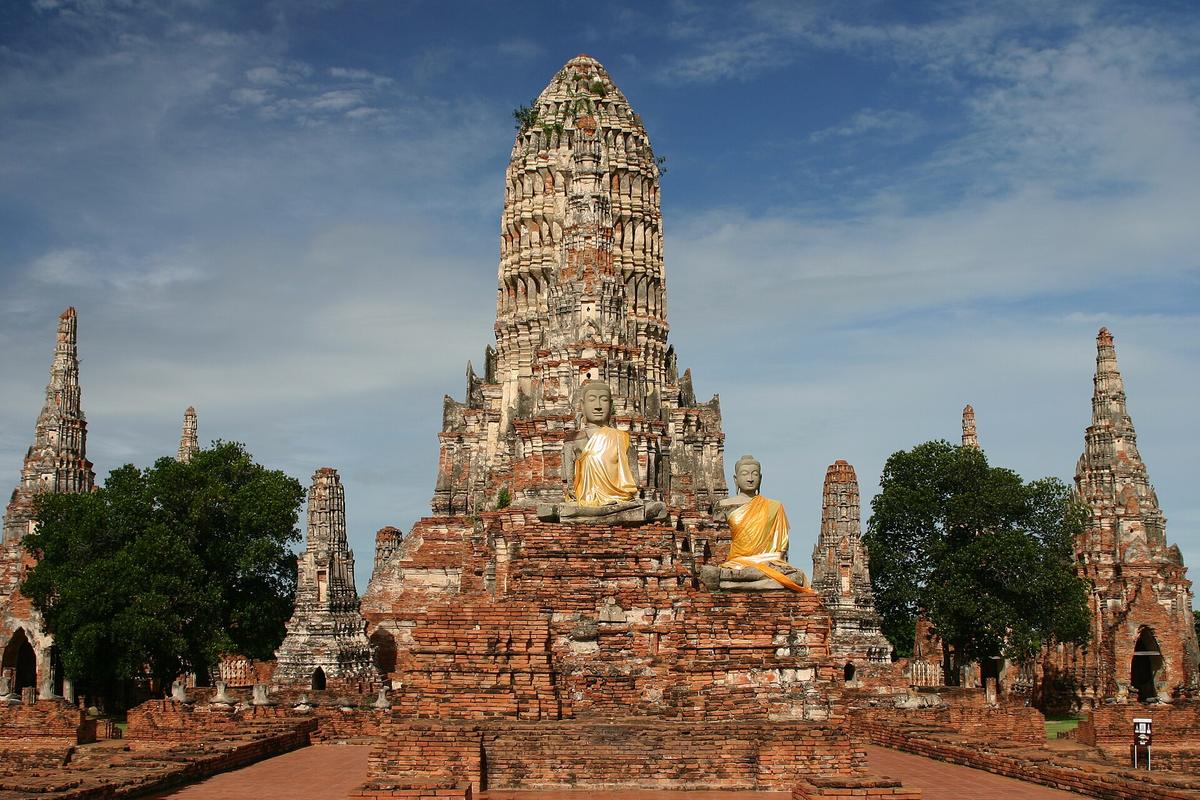
Thailand's southwest monsoon runs from roughly mid-May to mid-October, pulling moisture-laden winds from the Indian Ocean across the Andaman coast, Bangkok, and the northern provinces. The Tourism Authority of Thailand officially frames this period as "Blooming and Bright Amazing Thailand," a shoulder travel window when landscapes turn lush, waterfalls swell, and destinations shed their peak-season crowds. The phrase "green season" is not a euphemism designed to hide bad weather. It describes a real shift in the environment and the travel experience.
Rain during this period rarely behaves the way many travelers fear. The TAT notes that monsoon rain typically arrives as short, intense afternoon or evening showers lasting one to two hours, not as all-day downpours. Bangkok still averages about four hours of sunshine per day even in September, its wettest month. That pattern leaves mornings and large parts of the day open for exploring, with the rain often arriving as a dramatic but brief interruption rather than a trip-ending event.
Choosing the Right Coast
The single most important planning decision is which coastline to visit. Thailand's two major beach regions operate on different monsoon calendars. The Andaman coast, including Phuket, Krabi, and Khao Lak, receives the brunt of the southwest monsoon from mid-May to mid-October. The Gulf of Thailand islands of Koh Samui, Koh Phangan, and Koh Tao follow a different rhythm. They are comparatively dry from June to August while the Andaman side is wet, and they experience their heaviest rainfall from October to December.
The rainfall difference is measurable. In July and August, Koh Samui records approximately 117 mm and 102 mm of rainfall respectively. Phuket records approximately 240 mm and 309 mm during those same months, roughly two to three times as much rain. This does not mean Phuket is a bad choice in the green season. It means the choice between coasts should be driven by which weather pattern you prefer and which activities matter most to you.
Waterfalls and National Parks at Their Peak
Thailand's waterfalls are at their fullest flow during and just after the rainy season, roughly July to November. In the dry season from March to May, some waterfalls nearly dry up. Travelers who visit during the green season see these natural features at their most powerful, with water volumes that simply do not exist at other times of year.
This advantage comes with a caveat. Several inland national parks partially close specific trails, viewpoints, or campsites during the rainy season. Doi Inthanon National Park closes the Kew Mae Pan Nature Trail from 1 June to 31 October annually. Khao Yai National Park closes the Pha Diao Dai viewpoint from 1 June to 30 September annually. These closures are partial, not park-wide. The parks remain open, but certain sections are off-limits for safety and trail preservation. Before planning a hike or viewpoint visit, check the current closure schedule with the Department of National Parks, Wildlife and Plant Conservation, as exact dates vary by park and year.
Marine Park Closures in the Andaman Sea
Some destinations are simply unavailable during the green season. The Similan Islands and Surin Islands marine national parks in the Andaman Sea close annually for five months from approximately 16 May to 15 October during the southwest monsoon. The closures exist for visitor safety and ecosystem recovery. Travelers who plan a green season trip around snorkeling or diving at these specific islands will be disappointed.
The practical advice is to treat these closures as a filter, not a barrier. If the Similan or Surin Islands are on your must-visit list, the green season is the wrong time. If you are flexible about which marine areas you explore, the Gulf of Thailand islands offer an alternative during the months when the Andaman side is wet. The key is to verify the current status of any marine park before booking, since exact closure dates shift slightly each year.
Fewer Crowds and Lower Prices
The green season delivers two measurable advantages: fewer visitors and lower costs. Thailand receives approximately 23% fewer foreign visitors per day in May, the quietest month, compared to February, the busiest month, based on Ministry of Tourism and Sports data for 2024-2025. That reduction translates into more space at popular attractions, shorter waits at viewpoints, and a calmer atmosphere in destinations that can feel overwhelmed during peak months.
Hotel accommodation rates during the green season typically drop by 30-50% compared to peak season, with the deepest discounts in September, when hotels may reduce rates by 40-70%. International airfares to Thailand are generally lowest during the low and green season from May to October, with typical fare reductions of 20-50% compared to peak-season pricing. These are historical patterns, not guaranteed offers. Rates and fares fluctuate by year, route, booking window, and demand. The advice is to use the green season as a window of opportunity for better value, but to compare current prices rather than assuming a specific discount will apply.
Transport and Practical Planning
The TAT confirms that all international and domestic transport services, including flights, trains, buses, highways, and ferries, operate as normal during the rainy season. Thailand's major airports, seaports, and public transportation systems remain fully functional. Travelers do not need to build in extra buffer days for transport disruptions caused by the season itself.
Weather conditions, including rainfall intensity, flooding risk, and storm events, vary significantly year to year. Short-term forecasts from the Thai Meteorological Department should be checked before and during the trip. The responsible planning approach is to treat the green season as a normal travel period with a different weather pattern, not as an emergency situation requiring special precautions beyond common sense.
Making the Green Season Work for You
The green season rewards travelers who plan around its rhythms. Mornings are typically the most reliable time for outdoor activities, with rain more likely to arrive in the afternoon or evening. The Gulf coast offers a drier alternative during the peak monsoon months on the Andaman side. Waterfalls and inland landscapes are at their most dramatic. Crowds thin out and prices drop.
The tradeoff is real. Some marine parks close entirely. Some trails and viewpoints are off-limits. Rain will interrupt some plans. The editorial recommendation is to treat the green season as a different kind of Thailand trip rather than a compromised version of a peak-season itinerary. Choose destinations based on the monsoon calendar, verify closures before booking, and keep afternoons flexible. Travelers who do this often find that the green season delivers exactly what the TAT promises: lush landscapes, fuller waterfalls, fewer crowds, and a more relaxed pace.
Sources and verification
- tatnews.org — Research source checked for this guide
- tourismthailand.org — Research source checked for this guide
- tatnews.org — Research source checked for this guide
- tourismthailand.my — Research source checked for this guide
- siamgood.com — Research source checked for this guide
- from-thailand.com — Research source checked for this guide
Read next
-

 When to Visit Thailand and When to Stay Far Away
When to go to Thailand depends on two monsoons and the Chiang Mai burning season. Here is how the regional weather windows actually work.
-
 How to Get Around Thailand Without Losing Your Mind or Your Wallet
A practical guide to Thailand's transport network covering overnight trains from Krung Thep Aphiwat, budget flights from Don Mueang, and VIP buses to Chiang Mai.
-
 What Thailand Costs When You Are Not on Holiday
Thailand looks cheap on holiday. Living here is different. Here is a real monthly breakdown of rent, food, visas, and the things that quietly add up.
-
 Bangkok
Everyone says to leave Bangkok fast. But the city shifts when you take the canal boats, walk the sois at dawn, and stop treating it like a layover.
-
 Kanchanaburi
A guide to visiting Kanchanaburi's Death Railway, bridge, and war museums with the historical weight and respect these sites demand.
-
 Krabi
Railay is where everyone starts in Krabi. But the province opens up when you head inland to the mangroves, the markets, and the limestone caves the boats skip.
-
 Chiang Mai
 was meant to be a stopover. It became the place I measured other places against. Here is what that slow attachment feels like, smoke season included.
-
 Phuket
Samet Nangshe asks for a 4am alarm and a dark drive through Phang Nga. Here is what that morning actually feels like and whether the view delivers.
-
 Mae Hong Son
Everyone has an opinion on Pai. After the 762 curves and another stay, here is what still feels real and what feels like a backpacker theme park.